
Shipping can be full of unfamiliar terms and acronyms, especially when it comes to the policies and technologies shaping the industry’s future. From the International Maritime Organization to cleaner marine fuels, understanding the terminology is key to following discussions about sustainable shipping.
This guide breaks down common maritime terms in plain language to help you make sense of the issues, policies and decisions shaping the future of global shipping.
Understanding the IMO and how decisions are made
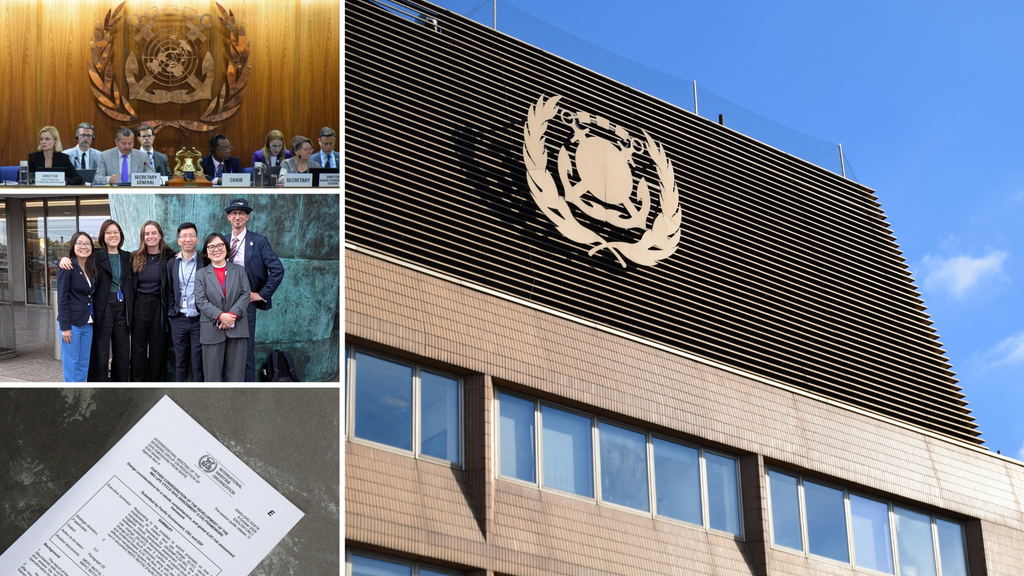
International Maritime Organization (IMO)
The United Nations agency that sets international rules for shipping, including rules on ship safety and pollution.
Member states
The countries that belong to the IMO and work together to develop and adopt international shipping rules. Government officials and delegates represent each country, negotiating proposals and voting on measures. The IMO has 176 member states.
Consultative status
A status granted to eligible nongovernmental organizations (NGOs) that allows them to contribute expertise and participate in IMO discussions. Only a limited number of environmental NGOs hold this status. Pacific Environment is one of them, bringing research, policy recommendations and community perspectives into international shipping negotiations.
Marine Environment Protection Committee (MEPC)
The IMO committee that works to reduce pollution from ships, including greenhouse gas emissions and air pollution. A number following MEPC, such as MEPC 85, identifies a specific session of the committee.
Intersessional Working Group on Greenhouse Gas Emissions from Ships (ISWG-GHG)
A working group that meets between MEPC sessions to develop proposals for reducing shipping emissions and build agreement on key issues before the MEPC makes formal decisions.
IMO submissions and working papers
Documents submitted to the IMO to share research, propose new rules or recommend changes to existing policies. They help countries and participating organizations, such as Pacific Environment, present their positions during negotiations.
MARPOL
Short for the International Convention for the Prevention of Pollution from Ships, the main international agreement for preventing pollution from ships, including oil spills, sewage, garbage and air pollution.
Adoption
The formal approval of a rule or measure by the IMO. Adoption does not necessarily mean the rule takes effect immediately.
Acceptance
The process by which an IMO regulation is accepted after adoption. Under “tacit acceptance,” a regulation is generally accepted unless enough member states formally object within a set period. Under “explicit acceptance,” countries must formally agree to the regulation.
Entry into force
The date when an international regulation officially takes effect and becomes legally binding under the terms of the agreement.
Implementation
The process of putting IMO rules into practice. This can involve developing guidelines, updating national laws or establishing requirements for the shipping industry.
Enforcement
The process of checking that IMO rules are followed and addressing violations. Countries oversee ships that fly their flags, while port authorities can inspect visiting ships and check their documentation. Ships may be detained if serious problems are found.
Binding regulation
A rule that creates legal obligations for the countries or parties it applies to. Specific requirements determine when a regulation takes effect and what must happen for it to be implemented.
Understanding shipping’s climate impact
Greenhouse gases (GHG)
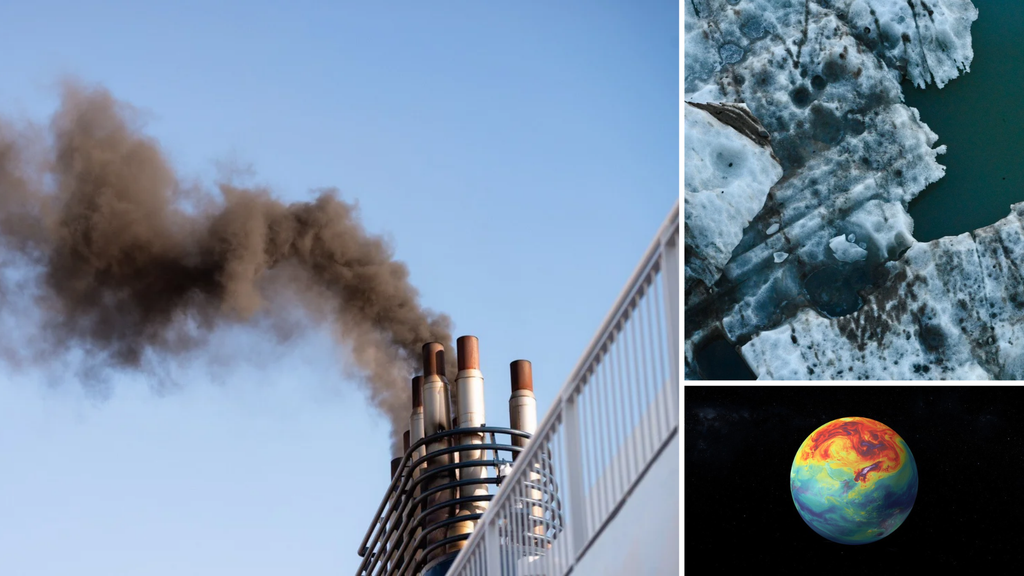
Gases that trap heat in the atmosphere and contribute to climate change. Shipping releases greenhouse gases such as carbon dioxide (CO₂) and methane (CH₄).
Black carbon
A form of air pollution, also known as soot, produced by burning fuels. It contributes to warming, especially when it settles on snow and ice, where it reduces how much sunlight the surface reflects. This makes it a particular concern in the Arctic.
Decarbonization
Reducing carbon dioxide and other greenhouse gas emissions. In shipping, this can involve cleaner fuels, more efficient ships, electrification and policies that drive emissions reductions. For example, replacing a conventional diesel-powered ferry with an electric or hybrid vessel can reduce emissions.
IMO GHG Strategy
The IMO’s strategy for reducing greenhouse gas emissions from international shipping. It sets targets for cutting emissions, including reaching net-zero emissions by or around 2050, with interim targets along the way.
Net-Zero Framework (NZF)
A proposed set of IMO measures to reduce greenhouse gas emissions from international shipping. It includes plans for setting limits on the greenhouse gas intensity of marine fuels and putting a price on shipping emissions.
Understanding marine fuels and emissions
Alternative marine fuels
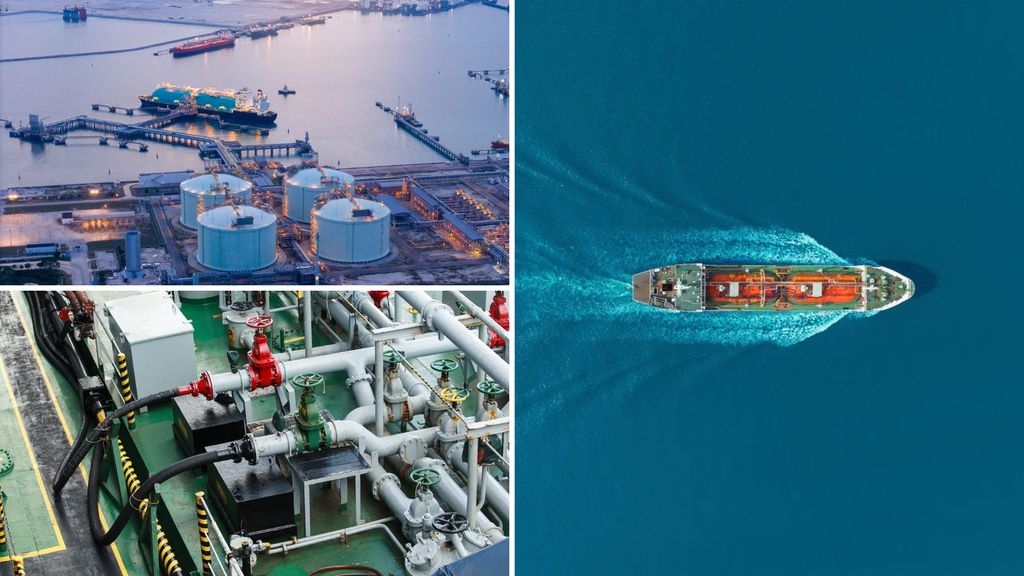
Fuels used in place of conventional petroleum-based marine fuels, including biofuels, hydrogen-derived fuels and liquefied natural gas (LNG). Their climate benefits depend on how they’re produced and the emissions they generate throughout their life cycle.
Life cycle assessment (LCA)
A way of measuring environmental impacts across a product’s life cycle. For marine fuels, this includes extracting raw materials, producing and transporting the fuel, and using it aboard a ship. This helps show whether a fuel reduces emissions overall, not just when burned.
Well-to-wake emissions
The total greenhouse gas emissions associated with a marine fuel, from its production and transport to its use aboard a ship. This helps compare fuels based on their overall climate impact, not just exhaust emissions.
Biofuels
Fuels made from organic materials, such as crops, plant oils or agricultural waste. Their climate benefits depend on how they’re produced and whether they contribute to deforestation, land-use change or competition with food production.
Liquefied natural gas (LNG)
Natural gas cooled into liquid form for storage and transport. LNG is often promoted as an alternative marine fuel because it can reduce some air pollutants compared with conventional fuels. However, methane leaks and unburned methane from engines can limit its climate benefits.
Methane slip
Methane that escapes from a ship’s engine without being burned. Because methane is a potent greenhouse gas, this can reduce the climate benefits of fuels such as LNG.
Heavy fuel oil (HFO)
A thick, petroleum-based fuel traditionally used by many large ships. Burning it releases air pollutants, including sulfur oxides and particulate matter, and can produce black carbon. Its use is a particular concern in sensitive environments such as the Arctic.
Carbon Intensity Indicator (CII)
An IMO measure that rates the operational carbon intensity of certain ships based on their emissions and the transport work they perform. The rating indicates how efficiently a ship operates in terms of carbon emissions.
Carbon pricing
A policy that puts a cost on greenhouse gas emissions to encourage companies to reduce them. In shipping, this can create financial incentives to reduce emissions and switch to cleaner fuels.
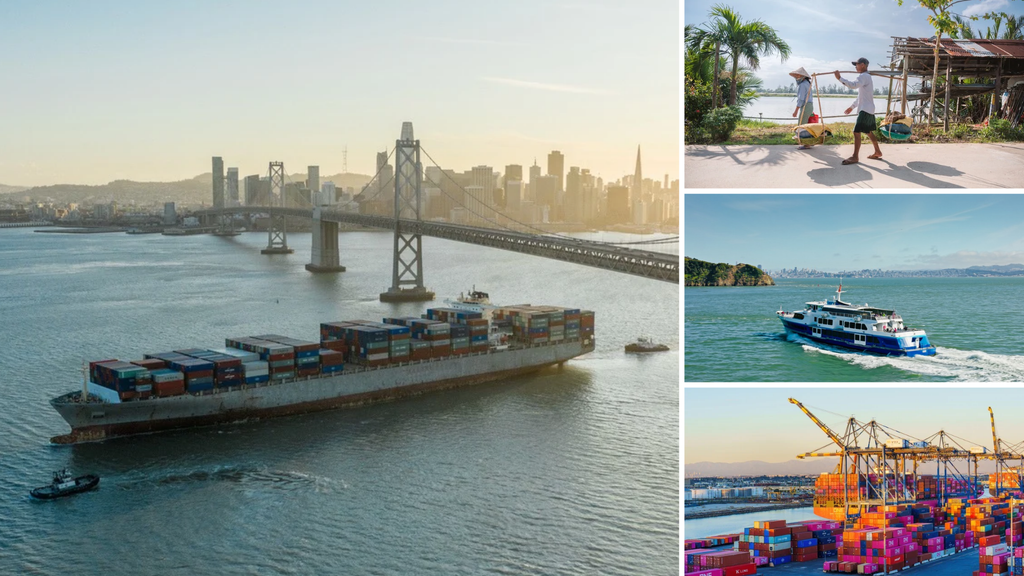
Understanding ships, ports and those affected by pollution
Coastal communities
Communities located along coastlines and near ports, from Los Angeles and Long Beach to Shanghai, Singapore and Busan. Residents can be affected by shipping pollution and climate change, making their health and livelihoods an important part of the transition to cleaner shipping.
Port pollution
Pollution from ships, trucks and cargo-handling equipment operating at ports. These activities release greenhouse gases and air pollutants that affect air quality, the environment and the health of nearby communities.
Commercial harbor craft (CHC)
Smaller commercial vessels that work in and around ports and coastal waters, such as tugboats, workboats and crew boats. Their engines can contribute to air pollution in nearby communities.
At-berth
When a ship is docked at a port. Ships can still produce air pollution while docked if they run onboard engines to generate electricity. At-berth rules can require ships to use shore power or take other steps to reduce emissions.
In-transit
When a ship is traveling between locations rather than docked at a port. Ships produce emissions while underway, and cleaner fuels, more efficient vessels and improved operations can help reduce pollution. The exact meaning of in-transit can vary by regulation.
Energy efficiency
How effectively a ship uses energy to move cargo or passengers. More efficient ships need less fuel to do the same work, reducing operating costs and emissions.
Electrification
Replacing equipment or systems powered by fossil fuels with electric alternatives. In shipping, this can include electric ferries, harbor craft and port equipment. Electrification can reduce air pollution and greenhouse gas emissions, depending on the electricity source and equipment being replaced.
Shore power
Electricity supplied to a ship from the local power grid while it’s docked. This allows ships to shut down onboard engines used to generate electricity, reducing pollution at the port. The climate benefits depend partly on how the electricity is generated.
Scrubbers
Systems that clean a ship’s exhaust to reduce certain air pollutants, especially sulfur oxides. Some scrubbers transfer pollutants into washwater that is discharged into the ocean, raising concerns about marine pollution.
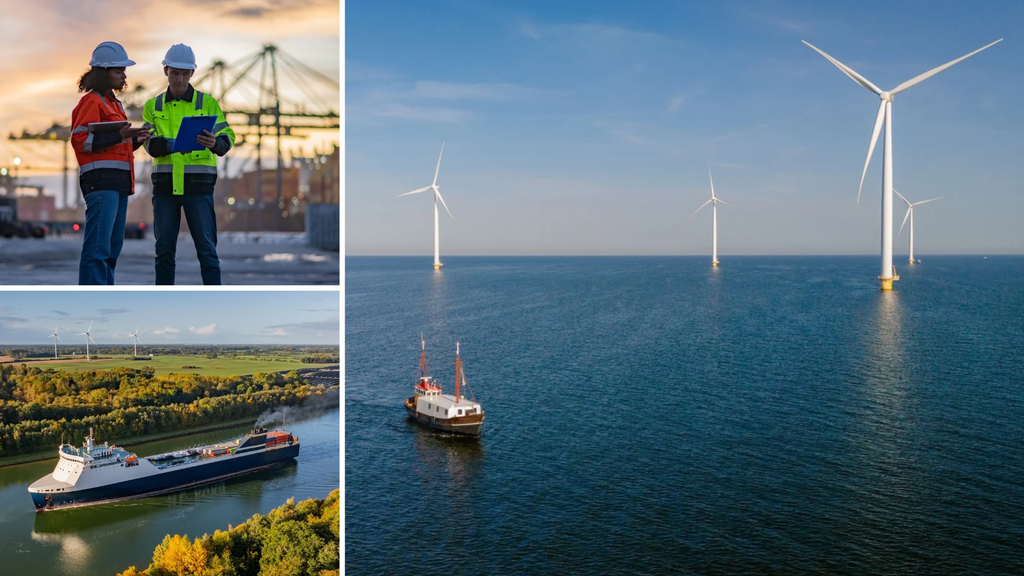
Understanding the transition to cleaner shipping
Zero-emission shipping
Shipping that produces no emissions within a defined scope. This may refer to emissions during a vessel’s operation or include its energy use and fuel supply chain. A ship with no exhaust emissions can still have environmental impacts from producing its fuel or energy.
Green shipping corridors
Shipping routes where ports, governments, shipping companies and other partners work together to introduce cleaner vessels, fuels and port infrastructure. These routes can demonstrate how lower-emission shipping works in practice and help expand its use.
Just transition
The shift to cleaner shipping in ways that support the people affected, including seafarers, port workers and coastal communities. This can include job training, access to cleaner technologies and support for communities facing economic changes.
Following the future of sustainable shipping
Now that you’re familiar with these terms, you’ll be better equipped to follow Pacific Environment’s work at the IMO and beyond, plus understand the policies shaping the future of global shipping. There’s still so much work to be done to reduce shipping emissions, protect coastal communities and move the industry toward a cleaner, more sustainable future.
Explore our IMO hub for the latest updates on our work, research and international shipping policy developments.


