
Bringing technical expertise, policy leadership and community perspectives to shape the future of global shipping
The International Maritime Organization (IMO) makes decisions that shape the future of international shipping, from how quickly the sector cuts climate pollution to which fuels and technologies are prioritized and how shipping affects people, oceans and ecosystems.
Pacific Environment has held permanent consultative status at the IMO since 2011, making us one of a limited number of environmental organizations with a formal role in its discussions on shipping and maritime pollution. We use this position to contribute technical analysis, regulatory and policy expertise, and real-world experience working with communities, ports, policymakers and partners. Through policy recommendations on clean fuels, zero-emission technologies and pollution reduction, we help inform international standards and advance their effective implementation.
The Intersessional Working Group on Reduction of Greenhouse Gas Emissions from Ships (ISWG-GHG) develops proposals and guidelines before they go to the Marine Environment Protection Committee (MEPC). Pacific Environment staff will contribute technical expertise to discussions on the proposed Net-Zero Framework, its implementation and how to assess lifecycle greenhouse gas emissions from marine fuels. These discussions will help inform MEPC 85 the following week.
MEPC 85 and the resumed second extraordinary MEPC session (ES.2) are key milestones for international shipping’s climate policy. Pacific Environment staff will bring climate, community and equity perspectives to discussions that could shape the industry’s path to net-zero emissions by 2050. A well-designed global framework could also help climate-vulnerable and least developed countries develop resilient, renewable maritime energy systems. Explore our key priorities and related policy submissions below.
Supporting a strong IMO Net-Zero Framework or alternative agreement that puts international shipping on a clear path to net-zero emissions by 2050, while accounting for the broader impacts of shipping policies.
Promoting clear guidelines and effective implementation measures for the IMO Net-Zero Framework, helping turn global climate commitments into practical rules that reduce shipping emissions.
Strengthening the IMO Life Cycle GHG Assessment (LCA) Framework so it better accounts for the climate impacts of marine fuels, from production to use, including emissions and sustainability risks that might otherwise be overlooked.
Advancing measures to reduce black carbon emissions — a form of air pollution — from ships, which contribute to Arctic warming, and protect vulnerable ecosystems and communities.
Meet with Pacific Environment during the IMO’s ISWG-GHG 23 and MEPC 85 sessions. Fill out our form to discuss shipping climate policy or request a meeting with our team.
Pacific Environment participates in international maritime policy discussions and works to ensure decisions reflect sound technical evidence, ambitious environmental standards and the perspectives of people affected by shipping. Our role spans negotiations, collaboration and implementation beyond the IMO.
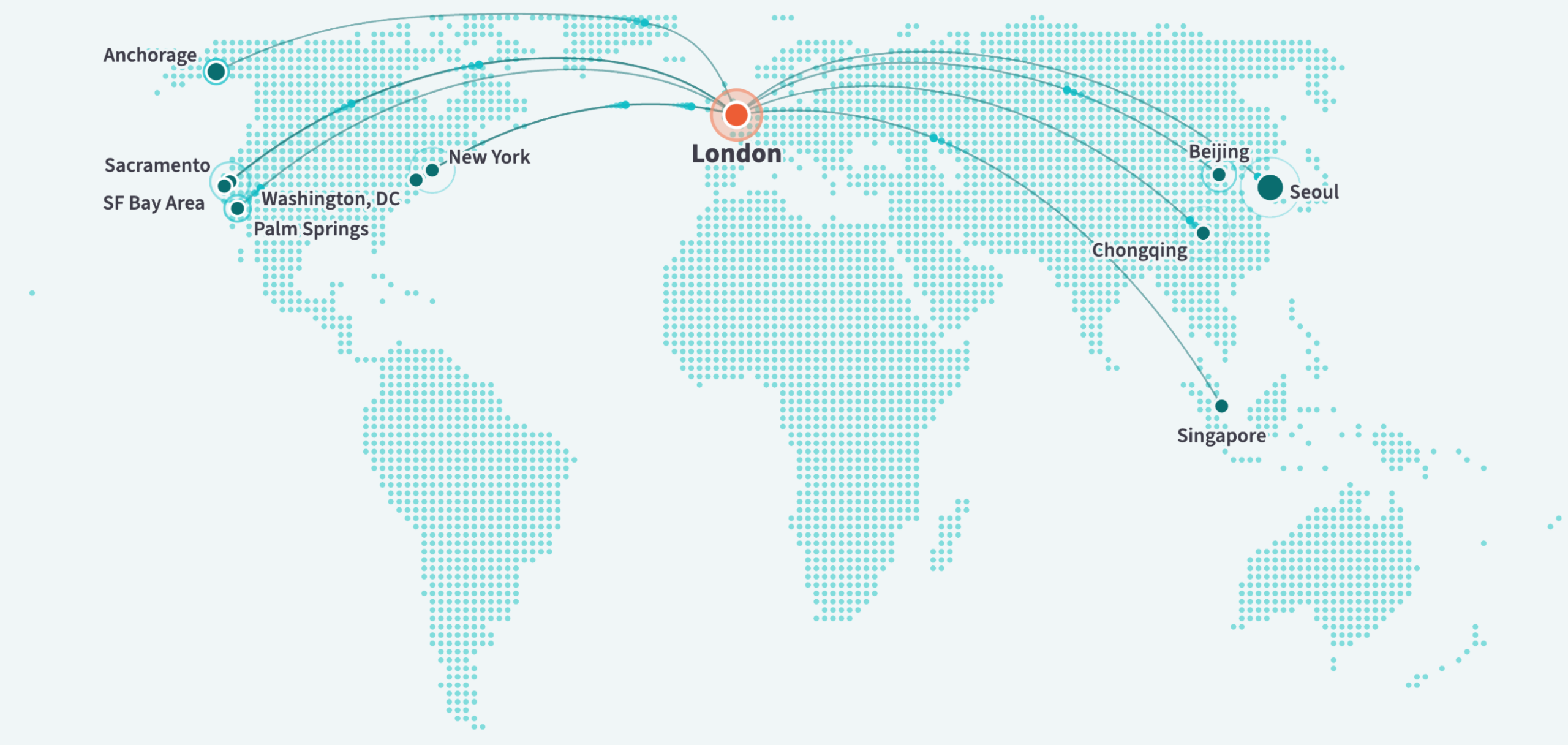
From the United States to China, the Republic of Korea and Singapore, Pacific Environment’s global team is coming together in London to advance cleaner shipping and shape international climate policy.
Pacific Environment welcomes collaboration with organizations working to shape international maritime policy. If you have research, data, community perspectives or technical expertise that could strengthen an IMO submission, we’d love to explore working together.
Share the topic or IMO session you’re focused on and what your organization could contribute.
Explore the latest research, expert perspectives and real-time updates from the IMO and across the global shipping sector, highlighting developments, initiatives and insights shaping international maritime policy.
Explore the latest videos, including webinars, expert insights and event recaps.
Global experts discuss biofuel policy recommendations for shipping, including indirect land-use change (ILUC), and how to safeguard climate integrity and equity in the sector’s energy transition.
A look at the IMO’s Net-Zero Framework, including global fuel standards, emissions pricing and opportunities to advance a just and equitable energy transition for ports, policymakers and communities.
Explore why the IMO should require cleaner marine fuels in the Arctic to reduce black carbon emissions and protect the region from climate impacts. Pacific Environment experts discuss the findings of the “On ever thinner ice“ report and the need for stronger shipping regulations.
Meet the Pacific Environment experts contributing technical expertise, shaping policy discussions and working with partners at the IMO.

Jim Gamble
Senior Director, Arctic

Julia Hnilicka
Arctic Advocacy Manager

Davina Hurt
Climate Policy Director

Jamie Yates
Climate & Renewable Energy Manager
Stay up to date on international maritime policy, IMO negotiations and Pacific Environment’s work toward cleaner shipping. Follow us on social media and sign up for our email alerts and newsletters for the latest news and updates.