
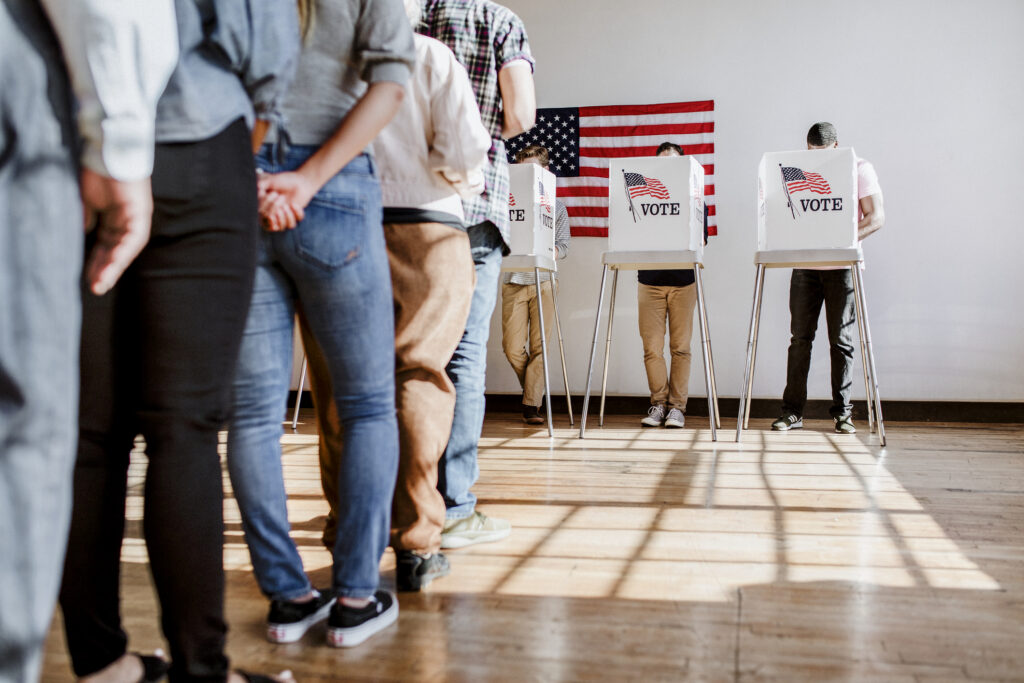
Our colleague Davina Hurt recently wrote a blog about what November’s U.S. midterm election results could mean for the future of clean shipping and climate policy, particularly at the International Maritime Organization (IMO). As she writes, “The November election creates an opening. Turning it into progress will require governments to hold firm on the commitments they made, rules that deliver real emissions reductions and a transition whose benefits extend beyond those who already hold power.”
But the implications extend beyond shipping. Elections impact many areas of Pacific Environment’s work, creating opportunities to advance environmental protections in the years ahead. Here are just a few ways we might see significant change.
Stronger protections for the Arctic
Changes to state-level leadership in Alaska mean it’s now more likely the state will support a polar fuel initiative at the IMO. The initiative, designed to vastly reduce black carbon emissions from ships in the Arctic, will slow the melting of snow and ice and help to keep that Arctic frozen. Progressive leadership should also support clean fuel legislation that will stop the discharge of toxic exhaust gas cleaning system effluent into sensitive state waters.
Marine conservation and international cooperation
Stronger congressional support and oversight could help protect funding for international biodiversity initiatives, strengthen engagement in multilateral conservation agreements and encourage greater cooperation with Southeast Asian governments. For Pacific Environment’s Marine Program, this could create a more supportive environment for our work with local communities and governments to establish and effectively manage critical marine protected areas.
Opportunities to tackle plastic pollution
Sen. Jeff Merkley, D-OR, a long-time champion of ending plastic pollution, is expected to chair the Senate Environment and Public Works Committee. This could pave the way for more federal lawmaking on plastics. As there is already bipartisan concern over microplastics and toxics, the issue should be a priority. Our challenge will be to ensure new lawmaking proposes real solutions rather than false promises, such as chemical recycling.
Advancing cleaner shipping and climate solutions
Recent midterm election results have reinforced public demand for accountability, climate action and energy security. As control of Congress shifts toward lawmakers who have expressed greater interest in addressing pollution, protecting public health and lowering long-term health and energy costs, there may be new opportunities to advance policies that support cleaner, more sustainable maritime industries.
Keeping progress moving forward
The midterm election results could open new doors for environmental progress, but turning those opportunities into lasting change will take continued collaboration, advocacy and commitment. Across our programs, Pacific Environment will keep working with communities and partners to protect our oceans, reduce plastics and advance climate solutions for people and the planet.


