
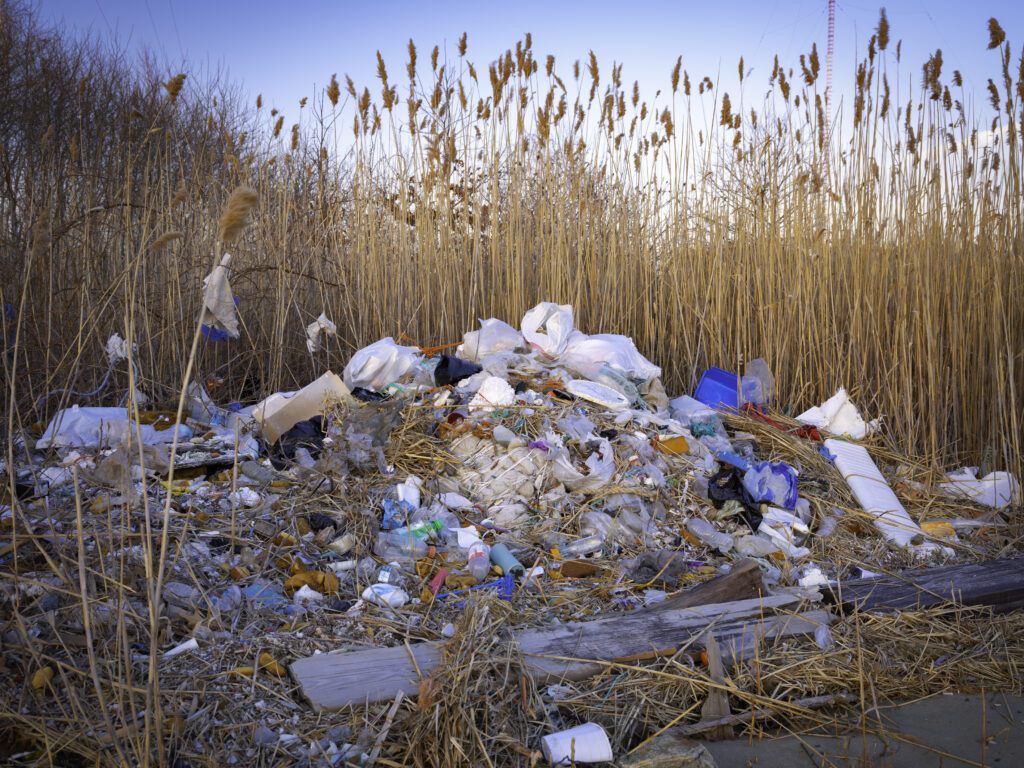
The plastic pollution crisis is an urgent issue at the nexus of climate change and biodiversity loss, public health and environmental justice. While stories about microplastics and toxic chemicals keep plastic in the news, they are part of a much bigger story. Keep reading to learn six foundational — but often overlooked — facts about plastic.
1. Plastic production is increasing exponentially
Plastic is a relatively new crisis — there was a time in the not-so-distant past, where most products were not made of plastic. In 1950, 2 million metric tons of plastic were produced. But that production has increased exponentially. Now, nearly 400 million tons of plastic are produced each year. Consider this: half of all the global plastic ever produced was made in the last 15 to 20 years. If production is left unchecked, this exponential growth will continue and plastic production will triple again by 2060.
So, how did we get here? Large-scale plastic production began during World War II and exploded in the 1950s as factories shifted from wartime production to disposable goods, packaging and household items. “The Story of Plastic” documents the timeline of how decades of marketing strategies including industry deception around recycling lead to our current global plastic pollution crisis.
2. 99% of plastics today are made of fossil fuels.
Most plastics are made from fossil fuels, which means they are derived from crude oil, natural gas or coal.
During the early 20th century, the petroleum and chemical industries began to form alliances in companies like Dow Chemicals, ExxonMobil, DuPont and BASF, which remain major players in the plastics industry today. They joined forces in order to make use of waste material from processing crude oil and natural gas (for example, the byproduct ethylene gas can be made into polyethylene, the most common plastic in the world).
Our report, Stemming the Plastic Crisis, details the plastic-climate connection, including how petrochemicals are becoming the number one driver of global oil demand as other sectors such as transportation move towards renewables.
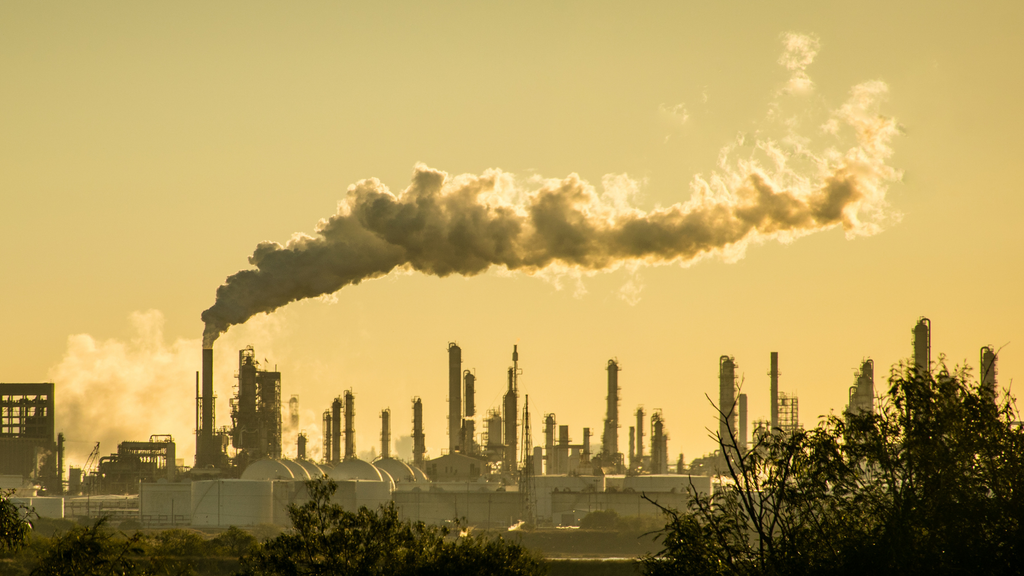
Plastic emits greenhouse gases at every stage according to the Center for International Law, from 1) fossil fuel extraction and transport, 2) refining and manufacture, 3) managing waste and 4) ongoing impact once it reaches our oceans, waterways and landscapes.
If plastic were a country, it would be the fifth largest emitter of greenhouse gases in the world. New research also suggests that microplastic in the oceans may also interfere with the ocean’s capacity to absorb and sequester carbon dioxide, compounding the climate crisis.
In case you were curious, the other 1% of plastics are bioplastics, made from plant-based ingredients — such as corn, potatoes, sugar beets, sugar cane, agave or wheat. While this might seem like a promising alternative to fossil fuel-derived plastics, Plastic Pollution Coalition has outlined the pitfalls of bioplastics in this helpful blog.
3. The chemicals used to make plastic are toxic to our health
There are 16,325 known chemicals in plastics. These chemicals are used in the production process to give plastic various qualities, such as being rigid or soft. More than a quarter of the chemicals used to make plastic are known to be hazardous to people or animals, including carcinogenic and endocrine-disrupting chemicals. However, a majority of the chemicals — 66 percent or 10,726 chemicals — have never been evaluated for toxic harms.
Global health and environmental agreements such as the Stockholm Convention regulate fewer than 1,000 plastics-related chemicals, leaving 94% unregulated under international law. That means that many plastic products that we interact with daily are made of chemicals that have never been evaluated for human health impacts.
4. Microplastic never biodegrades; it only breaks up into smaller pieces of plastic.
Microplastics are tiny plastic particles measuring less than five millimeters in length and are the result of bigger pieces of plastic being worn down over time.
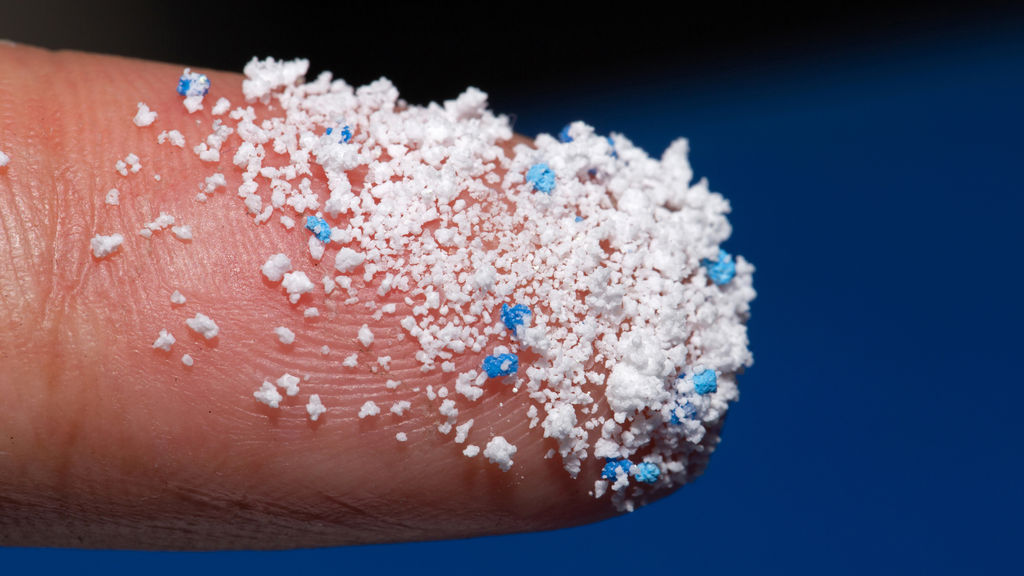
Many daily activities also cause humans to consume microplastics, which is why they have been found almost everywhere in the body. Putting plastic containers in the dishwasher, cutting open soft plastic food packaging with scissors and using a plastic blender all shed microplastics (and their toxic chemicals). Microplastics have become such widespread contaminants that they also found in soil (and produce), water, air and household dust which can lead to ingestion by humans and wildlife.
Microplastics are a growing concern for many Americans. A new poll by Ocean Conservancy and Edge Research found that awareness of microplastics has jumped 32% since 2023 and that 9 in 10 Americans are concerned about the impacts of microplastics.
5. From plantation to plant: how plastics fuel environmental racism
While stories of microplastics are dominating the news, harm from plastic production begins way earlier. Millions of people live on the fencelines of fossil fuel extraction, petrochemical processing and disposal (like incinerators or landfills).
Communities living near toxic facilities like these are disproportionately BIPOC and low income, because of systemic racism, including historic and ongoing discriminatory housing, zoning and environmental regulations.
Over 200 fossil fuel and petrochemical production plants are concentrated on an 85-mile stretch of the Mississippi River between New Orleans and Baton Rouge. The byproducts and emissions of plastic production end up in the air, water and soil of surrounding communities. This area, known since the 1980s as “Cancer Alley,” has some of the highest cancer risks in the country (in some areas, as high as 700 times the national average) as well as maternal, reproductive and newborn health harms and respiratory illnesses. In St. James, St. Charles, and St. John the Baptist Parishes in Cancer Alley, slave plantations have become the same sites used for petrochemical plants.
If you are interested in learning more about grassroots organizing in the Gulf South, check out Rise St. James and The Descendants Project, two Louisiana-based organizations fighting back against petrochemical expansion and environmental racism.
6. Recycling is not the solution to plastic pollution
Less than 10% of the plastic ever produced has been recycled. That means that of the 9.2 billion tons of plastic created since 1950, more than 90% was sent to landfills (49%), burned in incinerators (19%) or “mismanaged” (22%). Mismanagement includes open burning, dumping in unofficial sites and litter in oceans and waterways.
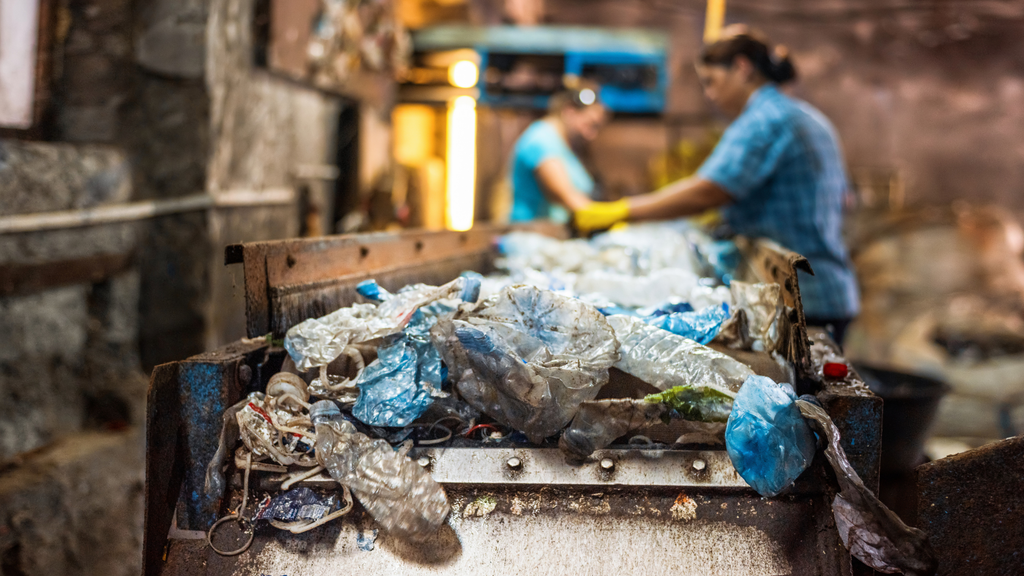
A 2024 report by the Center for Climate Integrity detailed how the plastics industry deceived the public by pushing recycling as a solution, even though industry officials had serious doubts about its viability at scale for decades. Environmental organizations and many others pushed recycling too. Now, recyclers themselves are recognizing the limitations of plastic recycling and the critical need to “reduce and reuse” first.
Right now, global leaders are negotiating a Global Plastics Treaty to provide an international legally binding agreement to address plastic pollution. If you’re interested in a strong, binding Global Plastics Treaty that protects human health, you can sign Break Free From Plastic’s petition to make your voice heard.