

Welcome to the October edition of Pacific Current! This month, we prepare for critical moments of global shipping discussions at the International Maritime Organization in London this November and December. We also spotlight local cleanup actions, our Climate Week NYC presence and more.
Shaping the future of global shipping at the IMO
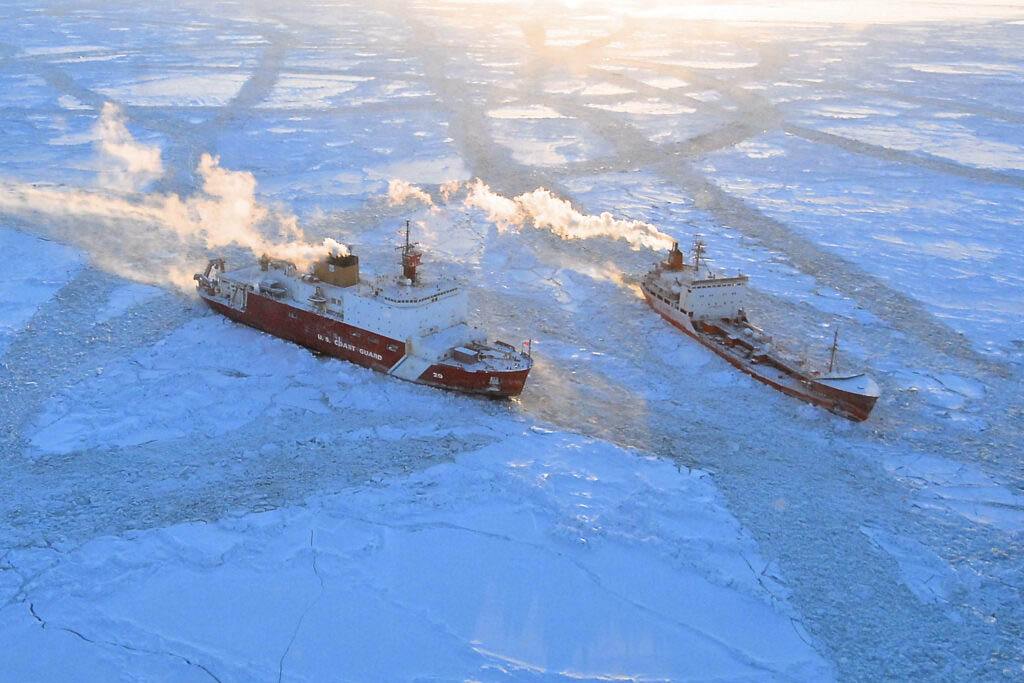
The United Nations’ International Maritime Organization is the world’s highest maritime authority, focusing on the regulation of international shipping and pollution prevention. Beginning next month, member states will meet at IMO headquarters in London to consider the Net-Zero Framework that establishes the world’s first binding, industry-wide climate regulation and advances the goal of net-zero shipping emissions by 2050. Pacific Environment will advocate for stronger shipping policies that reduce black carbon pollution in the Arctic and support climate-vulnerable countries in developing renewable maritime energy systems. Check out our new IMO resource hub to learn more and stay up-to-date as these important global events approach.
Stay up-to-datePacific Environment at Climate Week NYC 2026

Pacific Environment team members joined nearly 20 meetings and gatherings at Climate Week NYC 2026 last month, connecting other environmental nonprofits, existing and new partners, industry leaders, policymakers and community advocates to advance climate solutions and strengthen protections for people and the planet. Get a quick recap of all our CWNYC happenings in our latest blog post — from port electrification and shipping emissions to efforts to protect the Arctic. Because whether the work happens at a port in New York City or on the international stage, progress depends on bringing people together to protect our shared future.
Read moreVietnam partners collect over 500 pounds of waste on World Cleanup Day
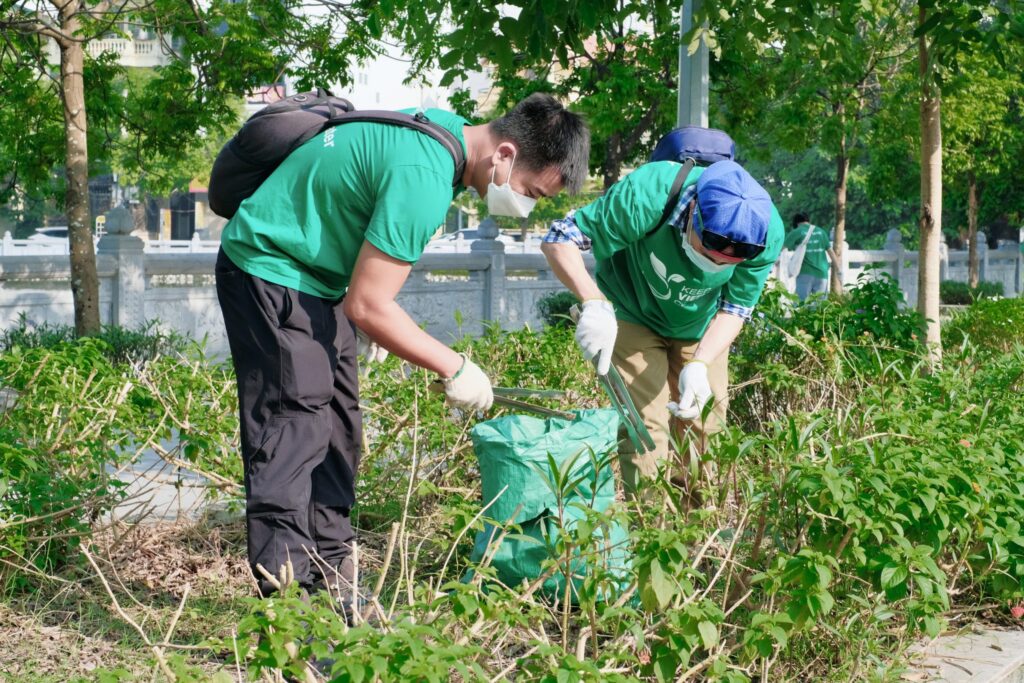
Pacific Environment’s partner organization in Vietnam, Keep Vietnam Clean, celebrated a successful World Cleanup Day in September by mobilizing over 75 community members, volunteers and labor union members to clean up a local lake near Hanoi. The activity aimed to clean up the area, raise community awareness and encourage practices that reduce plastic waste. The cleanup revealed a large amount of single-use plastic, underscoring the importance of securing stronger policies on plastic pollution, such as the Global Plastics Treaty (GPT), to tackle plastic pollution at every stage — from production to disposal.
Read GPT updatesHelp us keep the momentum going
Pacific Environment staff stay busy year-round advocating for stronger policies and regulations from the highest international agencies to local city councils. Help us keep this momentum going with a gift today — your support ensures our fight for cleaner air and thriving communities stays strong.
Give todaySix facts you need to know about plastic pollution
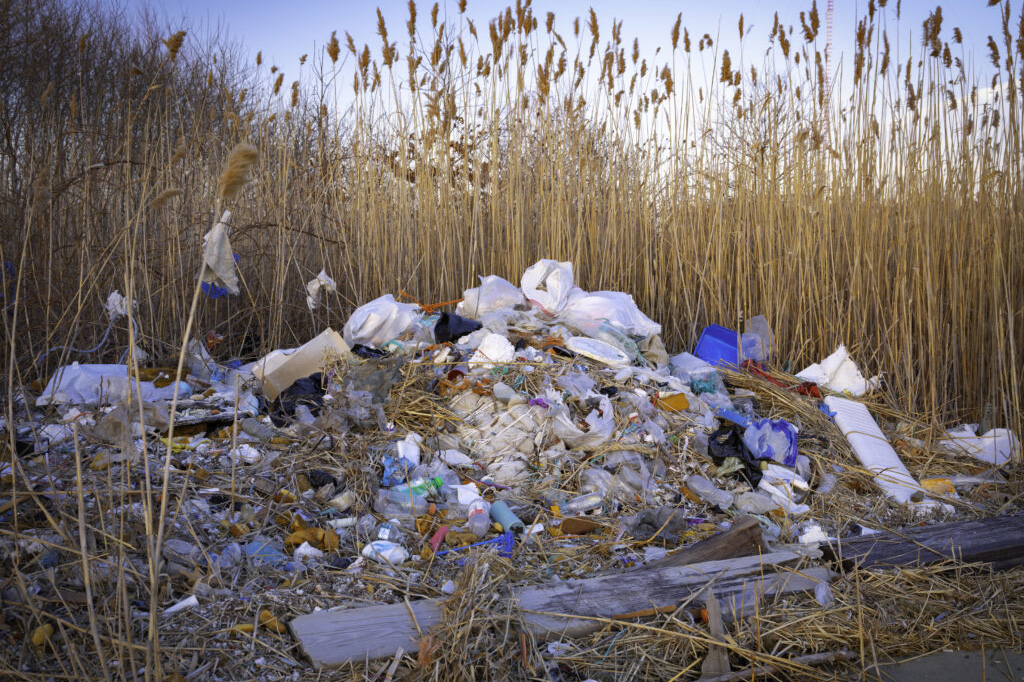
The plastic pollution crisis is an urgent issue at the nexus of climate change and biodiversity loss, public health and environmental justice. Pacific Environment continues to advocate for real solutions to the plastic pollution crisis, including advocating for an ambitious Global Plastics Treaty at ongoing United Nations Intergovernmental Negotiating Committee on Plastic Pollution (INC) meetings. In our new blog, learn six foundational — but often overlooked — facts about plastic.
Learn moreIn the news
Explore some of our latest media highlights and expert commentary featured in leading outlets.
- Singapore Launches S$250,000 Electric Harbour Craft Grant (Index Box)
- Launching a pilot project for waste sorting and processing in Hoa Khanh ward, Hoi An. (Vietnam.vn)
- Bezos Strangles Local Economy, Natural World With Amazon Monster (ecoRI News)
Op-ed: Receding sea ice drives new Arctic threats
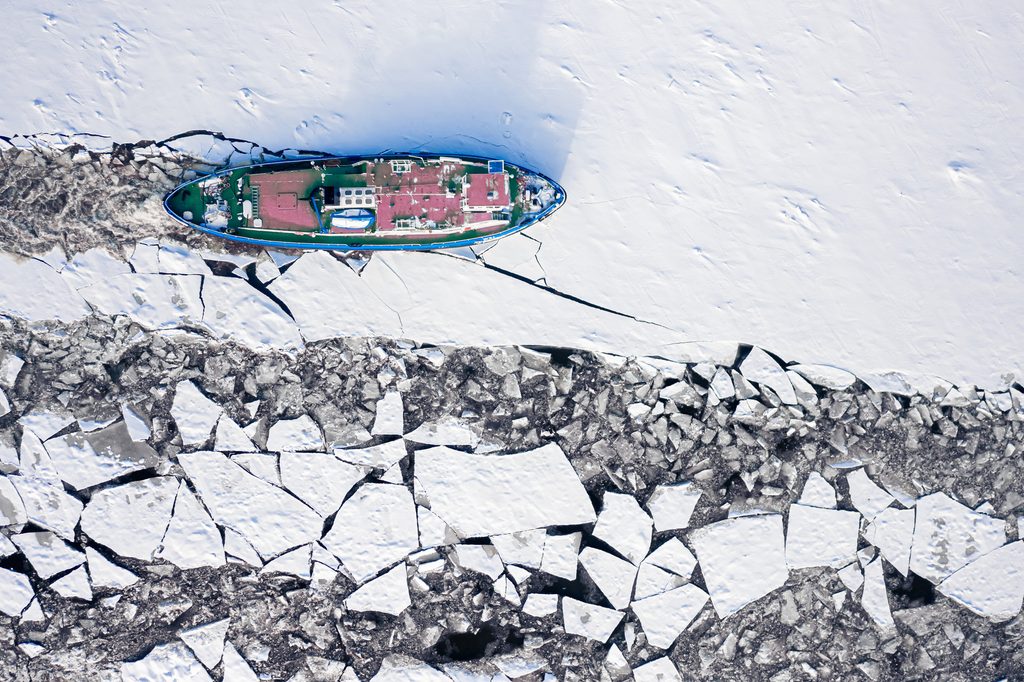
A new op-ed from our Arctic Policy Director Kay Brown spotlights the increasing threat to Arctic ecosystems: “Receding sea ice is leading to consideration of the Northern Sea Route (NSR) along Russia’s coast as a shorter alternative to other shipping routes linking Asia and Europe, placing the fragile Arctic environment at increased risk,” Kay notes in High North News.
Yet Pacific Environment is taking action now to push back on conditions that could make more ship traffic a concerning reality in the Arctic. At the upcoming IMO meetings in November and December, we will keep advocating for stronger regulation of black carbon emissions in the Arctic, along with discouraging unnecessary commercial transit ship traffic on the NSR.
Read our op-ed


